A rare Blue Moon will light up the skies on May 31, immediately after this month's spectacular Flower Moon, astronomers confirm.
This back-to-back lunar event—two full moons in a single calendar month—occurs only once every two to three years, making it a must-see for skywatchers worldwide.
“The Flower Moon on May 1 was already stunning, but the Blue Moon on May 31 will be a true rarity,” said Dr. Elena Torres, an astrophysicist at the University of Arizona. “It’s a double treat for anyone who looks up this month.”
Background
The Flower Moon is the traditional name for May's full moon, derived from Native American and colonial sources that marked the blooming of spring flowers.
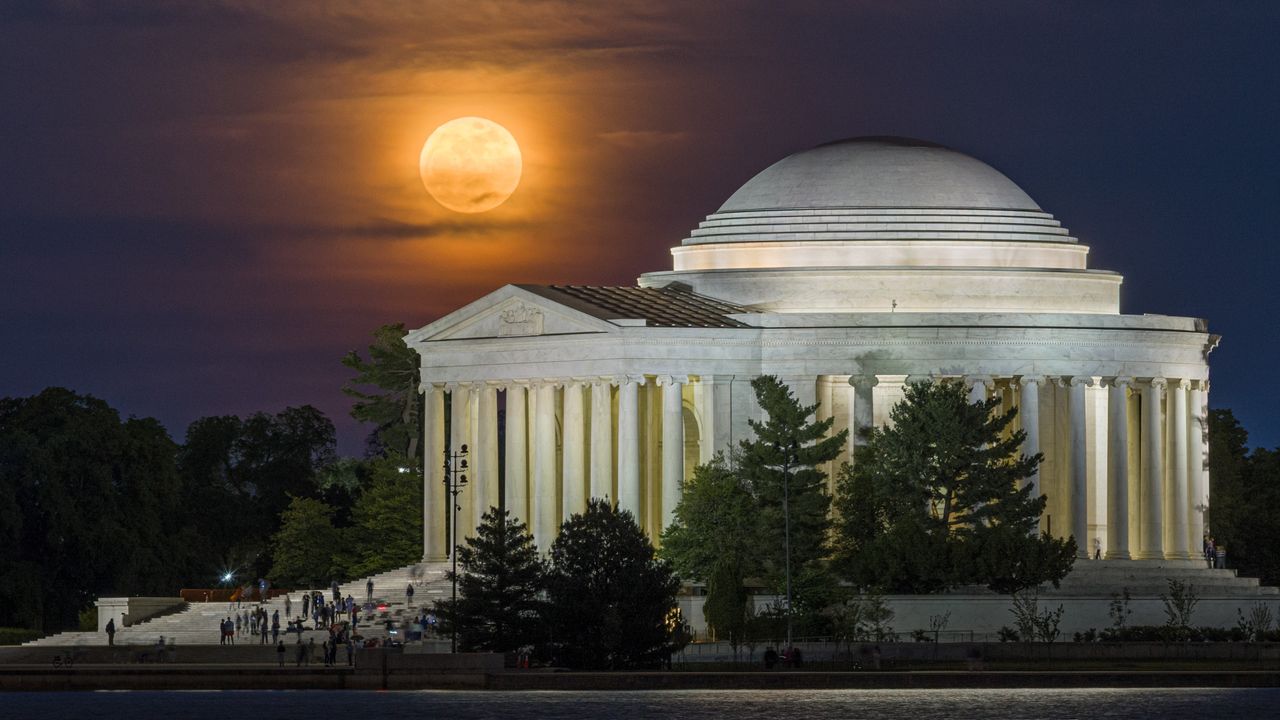
A Blue Moon is defined as the second full moon within a single calendar month—it has nothing to do with the moon's actual color. The term dates back to at least the 19th century.

While Blue Moons are not astronomically rare, they capture public imagination because of their name and infrequency. The next Blue Moon after May 31 will occur in August 2025.
What This Means
For casual stargazers, this lunar double-header offers a unique opportunity to observe the moon at its brightest and fullest twice in 30 days.
Photographers and astronomy enthusiasts can expect excellent conditions for capturing detailed moon shots, especially on the night of May 31 if skies are clear.
“This is a reminder that our night sky is constantly changing—even something as familiar as the full moon can surprise us,” added Dr. Torres. “Don’t miss it.”